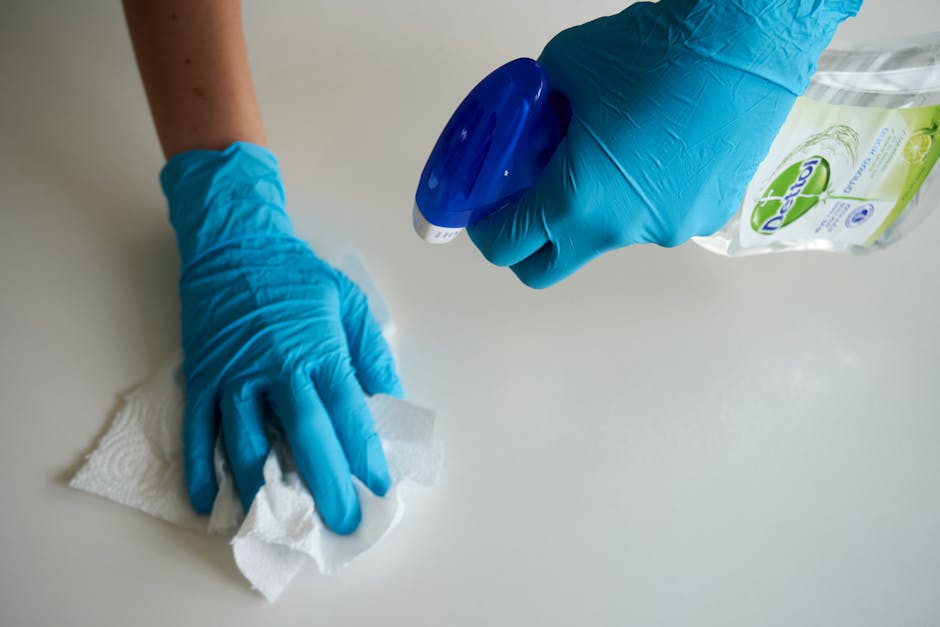
Kingston Council guidance for landlords on cleaning compliance
Posted on 30/07/2026

Kingston Council guidance for landlords on cleaning compliance: a practical landlord's guide
If you rent out property in Kingston, cleaning compliance can feel like one of those jobs that sounds simple until you are standing in an empty flat with a checklist in one hand and a half-open window in the other. Kingston Council guidance for landlords on cleaning compliance is really about getting the property back to a safe, presentable, and defensible standard between tenancies, without cutting corners or creating avoidable disputes. And yes, that usually means more than a quick vacuum and a squirt of air freshener.
This guide breaks the topic down in plain English. You will learn what landlords are expected to do, how cleaning links with safety and tenancy handovers, where mistakes usually happen, and how to build a repeatable cleaning process that saves time later. If you are managing a single buy-to-let or a small portfolio, the approach is much the same: document it, keep it consistent, and do not leave standards to guesswork.
Why Kingston Council guidance for landlords on cleaning compliance Matters
Cleaning compliance matters because rental property is judged on a few very visible things first: smell, hygiene, condition, and whether the place feels cared for. If those are off, everything else becomes harder. A prospective tenant notices it straight away; an outgoing tenant will notice it too; and if there is a complaint, the state of the property becomes part of the conversation whether you like it or not.
For landlords in Kingston, the practical issue is not just "is it clean?" but "can I show that it was cleaned properly and responsibly?" That distinction matters. A property can look fine in passing and still fail a more detailed check because of stained carpets, greasy extractor fans, mould-prone bathrooms, or left-behind debris. We have all seen homes that look decent in daylight but tell a different story when you look under the sofa or along the skirting board. Truth be told, that is where disputes start.
There is also a wider landlord duty here. Good cleaning standards support safer living conditions, reduce wear on surfaces, and make it easier to hand over a property between tenancies without panic-cleaning at the last minute. If you are already planning a deeper reset, a deep clean in Kingston can be a sensible way to bring the whole place back to baseline rather than chasing each room separately.
And there is a financial angle, too. Cleaner properties typically photograph better, inspect better, and require fewer emergency fixes. That is not magic. It is just good upkeep. One mild note from experience: the smaller the issue looks on day one, the more expensive it tends to feel by month three.
How Kingston Council guidance for landlords on cleaning compliance Works
In practice, cleaning compliance is a mix of local expectations, tenancy management, health and safety common sense, and the contract terms you set with tenants. Kingston Council does not replace your tenancy agreement, but its wider housing and environmental expectations sit in the background. So the smart approach is to treat compliance as a process, not a one-off task.
Start with the property itself. Kitchens, bathrooms, floors, carpets, soft furnishings, and waste storage areas are the usual pressure points. Then look at how cleaning is recorded. Did the property begin the tenancy in a genuinely clean state? Was there a professional clean at the end? Are the carpets being looked after properly? These questions often matter more than people expect, because a tidy property and a compliant property are not always the same thing.
Let's make that a bit more concrete. A landlord in Kingston may decide to arrange end of tenancy cleaning before a new tenant moves in, then keep a record of what was done, what products were used, and whether any high-risk areas needed extra attention. That approach is particularly useful where there has been smoking, pets, heavy foot traffic, or a long tenancy with gradual build-up.
If you manage several properties, the cleaner your system, the easier it gets. You do not need a grand compliance manual that no one reads. You need a repeatable checklist, a few photos, and reliable standards. That's the real-world version.
Key Benefits and Practical Advantages
When landlords follow a proper cleaning compliance routine, the benefits are practical rather than theoretical. You reduce friction, protect the asset, and create fewer "he said, she said" moments at check-out. That alone is worth a lot.
- Fewer disputes at tenancy end: When a property is handed over cleanly and documented well, it becomes much easier to discuss fair wear and tear versus avoidable dirt.
- Better tenant experience: People notice a property that feels fresh, not just visually tidy but properly cleaned.
- Longer life for carpets and upholstery: Regular care prevents grime from setting in, which is especially useful in high-use rooms.
- Improved inspection outcomes: Clean kitchens, bathrooms, and floors make properties easier to assess and maintain.
- Lower reactive costs: Stain removal, odour treatment, and deep cleaning are usually cheaper before issues become embedded.
There is also a subtle but important benefit: cleaner properties tend to be easier to let again. Not glamorous, but very real. A neutral, well-kept flat in Kingston often feels more "move-in ready" than one that needs a first-week scrub down. Tenants want easy. Landlords want easy too, usually after the paperwork is done and the kettle is on.
If you are still refining your wider property approach, it can help to look at the bigger picture in the services overview and the practical planning ideas in smart real estate choices in Kingston. Those pages support a more joined-up view of maintenance, value, and presentation.
Who This Is For and When It Makes Sense
This guidance is not just for large landlords with lots of moving parts. It is useful for anyone who rents out a property in Kingston and wants fewer surprises. That includes accidental landlords, small portfolio owners, property managers, and landlords who self-manage from a spreadsheet and a WhatsApp group. Yes, that is still a management system in many cases.
You will find it especially helpful if:
- you are preparing a flat or house for new tenants;
- the previous occupiers kept pets or smoked;
- there is visible carpet staining, sofa marking, or odour;
- you have had repeated comments about kitchen or bathroom hygiene;
- you want better evidence for check-in and check-out records;
- you are trying to avoid rushed cleaning between tenancies.
It also makes sense if you have properties near busy spots, transport links, or student-heavy areas where turnover can be high and cleaning cycles are shorter. Properties that get more footfall usually need more disciplined upkeep. That is just how the game works.
And if access is awkward, which happens in Kingston flats more often than people admit, you may need to plan around narrow stairs, limited parking, or awkward lift timings. The article on common problems accessing sofa cleaning in Kingston flats is a useful reminder that logistics can be half the job.
Step-by-Step Guidance
A solid cleaning compliance process does not need to be complicated. It needs to be consistent. Here is a sensible step-by-step approach for Kingston landlords.
- Inspect the property room by room. Look for visible dirt, hidden grime, lingering smells, damaged sealant, carpet wear, and any signs of mould or damp. Take notes. Photos help, even if they are not pretty.
- Separate routine cleaning from deep cleaning. A routine clean handles the day-to-day. A deep clean resets the property. If you are dealing with built-up dirt, use a more thorough service rather than hoping surface cleaning will save the day.
- Focus on high-risk areas first. Kitchens, bathrooms, entry points, carpets, and upholstered furniture usually need the most attention. A greasy hob or stained hallway carpet sends the wrong message fast.
- Handle soft furnishings properly. Curtains, mattresses, rugs, sofas, and chairs can hold odours and dust far longer than hard surfaces. If needed, arrange specialist upholstery cleaning in Kingston or carpet cleaning in Kingston.
- Record what was done. Keep a simple log: date, scope, problem areas, and any follow-up actions. Nothing fancy. Just enough to show a pattern of care.
- Check waste disposal and clearance. Do not leave cleaning waste, broken items, or old carpet offcuts sitting around. Follow the right disposal route for the materials involved. If you are unsure, the guide on Kingston Council rules for disposing carpet waste after cleaning is a sensible reference point.
- Review the result before handover. Walk through the property again as if you were a tenant arriving for the first time. Smell matters. Light matters. Small details matter.
A quick real-world example: if a tenant has just left after two years, the place may not need every surface stripped back to the bone, but it may need carpets refreshed, the bathroom descaled, and the kitchen deep cleaned. That is the difference between "clean enough" and genuinely compliant in spirit and practice.
Expert Tips for Better Results
There are a few habits that consistently improve cleaning outcomes for landlords. None are glamorous, but they save time and awkward conversations later.
Use the same standard every time. Tenants do not have to love your checklist, but they do need to understand it. Consistency reduces arguments.
Do not rely on scent alone. Air fresheners can make a room feel busy for ten minutes. They do not clean grout, lift grease, or remove allergens. A bit harsh, maybe, but true.
Pay attention to edges and touch points. Light switches, skirting boards, handles, and behind appliances often reveal how careful the cleaning really was.
Choose the right service for the job. A one-off surface tidy is not the same as a full compliance-level clean. If the property needs a reset, use a service designed for it, such as one-off cleaning in Kingston upon Thames or spring cleaning in Kingston.
Think in layers. Hard floors, soft furnishings, bathroom fixtures, and waste clearance all play a part. One clean room does not cancel out a neglected hallway.
And a small one from experience: if you ever think "that stain will probably be fine," it usually will not be. Better to deal with it properly while the room is empty and access is easy.
Common Mistakes to Avoid
Most landlord cleaning issues are not dramatic failures. They are small misses that stack up. The tricky bit is that they often look minor until move-in day.
- Leaving cleaning until the last minute: Rushed work leads to missed detail and poor access planning.
- Assuming "visibly tidy" means compliant: A property can look acceptable and still have hidden hygiene problems.
- Ignoring carpets and upholstery: These absorb spills, dust, and odour far longer than hard floors or worktops.
- Not documenting the condition: If there is no record, it becomes much harder to explain what was done.
- Overlooking waste disposal: Cleaning debris, packaging, and removed carpet waste still need to be handled properly.
- Using the wrong cleaner on the wrong surface: Harsh chemicals can damage finishes and create new problems.
One practical mistake I see often is landlords trying to solve a deep issue with a light clean, then being surprised when the smell returns or the marks remain. That is not a cleaning failure so much as a planning failure. Different problem, different solution.
If you want to avoid overpaying or being caught out by vague job scopes, the article on avoiding hidden charges in Kingston carpet cleaning quotes is worth a look. Clarity upfront is boring, yes, but it prevents awkward invoice conversations later.
Tools, Resources and Recommendations
You do not need a van full of equipment to stay compliant, but a few practical tools make a genuine difference. In many cases, the best resource is a reliable process backed by a few good records.
- Room-by-room checklist: Keeps cleaning standards consistent between tenancies.
- Before-and-after photos: Useful for handover records and dispute prevention.
- Simple inspection notes: A short written summary is often enough.
- Schedule planning: Helps coordinate cleaning, repairs, and key handover.
- Specialist cleaning where needed: Carpets, rugs, and upholstery often need more than DIY effort.
For landlords who want a better sense of local service options, the pricing and quotes page can help with planning, while the broader service overview is useful if you are comparing routine, one-off, and deep cleaning options.
If you are dealing with a hard-to-remove stain, the guide on what to know about stain removal for Kingston landlords is a practical companion piece. And if a sofa or rug is the problem rather than the floor, the articles on rug cleaning for Surbiton and Hampton Wick homes and upholstery cleaning near Bentall Centre shops in Kingston are also relevant.
Small note, but an important one: keep your records somewhere you can actually find them. A tidy folder beats a clever system you forget how to use six weeks later.
Law, Compliance, Standards, or Best Practice
For landlords, cleaning compliance is best understood as part of your wider legal and practical duties rather than as a standalone rulebook. You are generally expected to provide accommodation that is safe, reasonably maintained, and suitable for occupation. Cleaning is one of the clearest ways to show that you are meeting that expectation.
There is no single universal "Kingston cleaning certificate" for landlords, and it would be misleading to suggest otherwise. Instead, compliance is built from a combination of tenancy agreement terms, property condition, hygiene standards, waste handling, and common-sense maintenance. Local expectations may also influence how carefully you manage waste, nuisance, and shared spaces in flats or converted buildings.
Best practice usually includes:
- keeping the property clean at the start of a tenancy;
- arranging suitable cleaning at changeover points;
- acting promptly on mould, odour, or hygiene issues;
- disposing of waste correctly;
- documenting work so it can be verified later.
From a landlord risk perspective, the biggest mistake is to treat cleaning as cosmetic only. In reality, it can overlap with health, safety, and habitability. A damp bathroom, a blocked extractor, or a heavily soiled carpet can become more than an appearance issue pretty quickly.
If you are the sort who likes to understand the business side as well, you may also find insurance and safety, terms and conditions, and the complaints procedure useful for judging how a cleaning provider manages risk and accountability.
Options, Methods, and Comparison Table
Landlords usually have three realistic routes: basic in-house cleaning, one-off professional cleaning, or a deeper specialist clean. The right choice depends on how much use the property has seen and how quickly it needs to be ready again.
| Method | Best for | Strengths | Limitations |
|---|---|---|---|
| Routine in-house cleaning | Light refreshes and regular upkeep | Low cost, flexible, easy to schedule | Often misses deep grime, odour, or set-in stains |
| One-off professional clean | Turnovers, pre-tenancy resets, post-tenant handovers | Faster, more thorough, useful documentation | May not fully solve heavy staining or worn carpets |
| Deep specialist clean | Long tenancies, smoke/pet odours, visible build-up | Best for embedded dirt and stubborn issues | Takes more planning and can cost more |
If you are unsure, a good rule of thumb is simple: if the issue is surface-level, routine cleaning may be enough; if the issue has texture, smell, or history, you probably need a deeper service. Not scientific, but it works surprisingly often.
For properties with tough carpets or chairs that need attention, a specialised service can be the better route. It is also worth reviewing domestic cleaning in Kingston or house cleaning in Kingston if you are trying to combine maintenance with a wider home refresh rather than tackling one issue at a time.
Case Study or Real-World Example
Here is a realistic landlord scenario. A small Kingston flat has had a long tenancy. The tenant leaves on a Friday, and the new tenancy starts the following Tuesday. The kitchen is broadly fine, but the oven has heavy grease, the bathroom has limescale build-up, the hall carpet has traffic marks, and the sofa in the living room carries a faint dog smell. Nothing is catastrophic. But the place does not yet feel ready.
The landlord takes a practical approach. First, they document the condition with photos. Then they arrange a thorough clean for the kitchen and bathroom, followed by carpet and upholstery attention. They also make sure all waste from the clear-out is removed correctly, rather than being left beside the bins because, let's face it, that is how little problems become bigger ones.
By the time the new tenants arrive, the property smells fresh, the carpet looks lighter, and the whole flat feels calmer. The improvement is not just visual. It changes the first impression. New tenants walk in, drop their keys on the counter, and exhale a bit. That is what good compliance often looks like in practice. Quiet. Not flashy. Just properly done.
For landlords dealing with rapid turnaround and odd access hours, same-day emergency carpet cleaning near Kingston Station can also be a relevant planning reference if timing is tight. Not every job is an emergency, of course, but some very nearly are.
Practical Checklist
Use this as a pre-handover checklist for cleaner, safer, more defensible turnarounds. It is deliberately simple.
- Inspect every room before booking cleaning.
- Photograph visible issues, stains, and waste.
- Identify hard floors, carpets, rugs, and upholstery that need attention.
- Decide whether routine, one-off, or deep cleaning is needed.
- Check the kitchen, bathroom, and entry points first.
- Arrange specialist treatment for carpets or upholstery where required.
- Remove all cleaning waste and leftover items properly.
- Review the result in natural daylight if possible.
- Save invoices, notes, and before-and-after records.
- Confirm the property is genuinely ready for occupation, not just tidy at a glance.
That last one is worth repeating: not just tidy. Ready. There is a difference, and tenants feel it immediately.
Get a free quote today and see how much you can save.
Conclusion
Kingston Council guidance for landlords on cleaning compliance is really about good property management done properly. Keep the property clean, prove what was done, deal with hygiene issues early, and choose the right cleaning method for the job. That is the short version, anyway.
The longer version is this: tenants notice when a place has been cared for, councils expect responsible upkeep, and landlords benefit when their process is clear and repeatable. No drama, no guesswork, no last-minute scramble with a mop and crossed fingers.
If you build cleaning into your landlord routine rather than treating it as an afterthought, everything becomes easier. Handovers are smoother. Complaints are fewer. The property feels more valuable. And, to be honest, the whole thing feels a lot less stressful.
When you are ready to move from "I should sort this" to actually sorting it, start with a proper plan and a calm, methodical clean. Small improvements really do add up.