Rug cleaning Surbiton and Hampton Wick homes
Posted on 16/05/2026
Rug cleaning Surbiton and Hampton Wick homes: a practical guide for cleaner, healthier floors
If you live in Surbiton or Hampton Wick, you probably know the feeling: a lovely rug can lift a room instantly, but it also seems to collect everything. Mud from a quick dash in from the front door, crumbs from family life, pet hair, the odd drink spill, and that general dullness that creeps in by Friday evening. Rug cleaning Surbiton and Hampton Wick homes is not just about appearance. It is about keeping fibres in better shape, reducing trapped dust, and helping your home feel fresher day to day.
In this guide, we'll look at how rug cleaning works, what methods suit different rug types, what to avoid, and how to decide whether a professional clean makes sense for your home. You'll also find a checklist, a comparison table, and a few local-practical tips that are useful whether your rug is a cherished wool piece in a period terrace or a busy family rug taking a beating in a modern flat. Truth be told, rugs work hard.
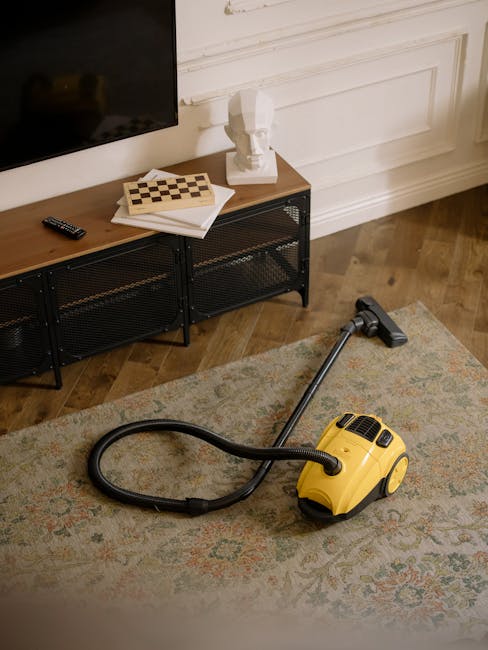
Why Rug cleaning Surbiton and Hampton Wick homes Matters
A rug is one of those things people only notice when it looks wrong. Once it starts to look flat, patchy, or tired, the whole room can feel a bit off. In homes across Surbiton and Hampton Wick, rugs often sit in high-traffic spots: hallways, living rooms, dining areas, family spaces, and bedrooms where people walk barefoot. That means they absorb more than surface dirt. They hold onto fine dust, pollen, skin flakes, pet dander, and moisture from shoes or spills.
This matters for a few practical reasons. First, a dirty rug can make a clean room feel unfinished. Second, embedded grit can gradually wear down fibres, especially on natural materials like wool. Third, if a rug has absorbed food spills or dampness, it can start to smell stale before it looks visibly dirty. Nobody wants that slightly musty note when the heating comes on in the evening.
There is also the local reality. Family homes near busy roads, properties with pets, and homes that host guests often need more than a quick vacuum. And if you are preparing a property for sale or a tenancy handover, a clean rug can subtly improve how a space presents. For broader home care, many homeowners also pair rug care with deep cleaning in Kingston or regular domestic cleaning support to keep the whole property feeling well kept.
Expert summary: A well-cleaned rug does more than look better. It protects fibres, removes trapped dirt, and helps a room feel genuinely cared for, not just surface tidy.
How Rug cleaning Surbiton and Hampton Wick homes Works
Rug cleaning is not one single method. The right approach depends on fibre type, construction, dye stability, backing material, and how soiled the rug is. That sounds technical, but in simple terms it means you should not treat every rug the same way. A hand-knotted wool rug, a synthetic living-room rug, and a delicate vintage piece all need different handling.
A professional clean usually starts with inspection. The cleaner checks for stains, wear, loose threads, colour bleed risk, edge damage, and any signs of moth activity or fibre breakdown. Then the rug is dusted or vacuumed thoroughly to remove dry soil. This step matters more than people think. If grit stays in the rug, it can turn into a muddy residue during washing and make the results less effective. Bit of a hidden step, but a crucial one.
After that, the cleaner may use one of several methods:
- Hot water extraction: often used for sturdy synthetic rugs and some wool rugs, with careful moisture control.
- Low-moisture or encapsulation cleaning: useful where quicker drying is needed and the rug can handle a lighter approach.
- Hand cleaning or specialist spot treatment: better for delicate, antique, or colour-sensitive rugs.
- Rinse and controlled drying: helps remove residues and reduce the risk of stiffness or odour.
For homes that need broader support, rug care often fits alongside services such as carpet cleaning in Kingston or upholstery cleaning in Kingston, especially where dust and stains affect multiple soft furnishings at once.
The drying stage is just as important as the wash. A rug that stays damp too long may develop a smell or, in some cases, allow dye transfer if it is stacked, folded, or placed on the wrong surface too soon. Good practice is to dry it flat or in a controlled airflow environment, depending on the rug type. The result should be clean, refreshed, and fully dry before it goes back into use.
Key Benefits and Practical Advantages
The benefits of proper rug cleaning are easy to underestimate until you compare a freshly cleaned rug with one that has been living under a bit of daily neglect. The difference is often subtle at first, then suddenly obvious. Here are the main advantages homeowners notice.
- Better appearance: colours look clearer, patterns show more sharply, and the pile tends to sit more evenly.
- Improved indoor freshness: dust, odours, and everyday grime are removed rather than masked.
- Longer rug life: removing grit helps reduce abrasion, which is especially useful for wool and natural fibres.
- Better hygiene: rugs can trap allergens and fine particles, so regular cleaning helps keep them under control.
- Safer feel underfoot: sticky residues and small debris are removed, making rugs more pleasant to walk on.
- Better room presentation: useful for guests, home staging, tenancy changes, and general pride in the home.
There is a practical side too. A clean rug can help you see the room more honestly. If a rug is dull and stained, you may think the whole room needs repainting or replacing. Sometimes it just needs a proper wash. Not always, of course, but more often than people assume.
For people getting ready to move, redecorate, or improve the home gradually, it can make sense to read more about spring cleaning in Kingston and house cleaning in Kingston as part of a wider refresh.
Who This Is For and When It Makes Sense
Rug cleaning in Surbiton and Hampton Wick homes makes sense for more people than you might think. It is not only for visibly dirty rugs or expensive antique pieces. In fact, some of the best times to clean a rug are before it looks obviously bad.
This guide is especially relevant if you are:
- a homeowner with a favourite rug in a busy living room
- a renter who wants the place to look cared for before moving out
- a family with children, pets, or both
- someone with a wool, handwoven, or natural-fibre rug that needs gentle treatment
- a property owner preparing for viewings or a sale
- someone noticing lingering smells, dull patches, or uneven wear
It also makes sense after specific events: a spilled drink at a dinner party, muddy winter shoes, a pet accident, or a period of heavy foot traffic. To be fair, life happens. One minute the rug looks perfect; the next there's a faint ring mark under the coffee table and you're pretending not to notice it. We've all done that.
If you are thinking in terms of property presentation and local lifestyle, it can be helpful to explore related reading such as what residents say about living in Kingston or even smart real estate choices in Kingston, especially when your rug care is part of a wider plan to maintain home value and comfort.
Step-by-Step Guidance
If you want to understand what a good rug clean involves, here is the practical process in plain English. This is useful whether you plan to do some light maintenance yourself or you want to know what to expect from a professional service.
- Identify the rug type. Check the label if there is one, but also look closely at the fibres and backing. Wool, silk, viscose, cotton, jute, and synthetic fibres all behave differently.
- Test for colour fastness. A small hidden area is checked first so dyes do not run or fade unexpectedly.
- Remove dry soil. Vacuum both sides if possible. This helps lift dust and grit before any moisture is used.
- Treat stains carefully. Spot treatment depends on the stain type. Food, grease, pet accidents, and mud each need a different approach.
- Choose the cleaning method. The method should match the rug, not the other way round.
- Rinse or extract residues. Leaving cleaning solution behind can make the rug feel sticky or attract soil again too soon.
- Dry properly. Drying is not a side issue. It is part of the clean.
- Final inspection. Edges, fringes, and pile direction are checked before the rug is returned.
A good simple rule: if you are unsure about a rug, start gently. Strong chemistry is not the hero here. Patience is. And yes, the careful approach usually wins.
For homes that need a deeper refresh across multiple rooms, pairing rug care with one-off cleaning in Kingston upon Thames can make a noticeable difference, especially before guests arrive or after a busy season.
Expert Tips for Better Results
Here are the things that make a real difference in day-to-day rug care. These are the sort of habits that keep a rug looking decent for longer, not just for a week after cleaning.
- Vacuum slowly. Fast passes miss embedded dust. A slower vacuuming rhythm is usually better, especially on denser pile.
- Rotate the rug. Turning it every few months helps even out wear and sun exposure.
- Blot, don't scrub. Scrubbing pushes spills deeper and can fuzz the fibres. Blotting is calmer and safer.
- Use the right underlay. A quality rug pad helps reduce slipping and friction, which protects both the rug and the floor beneath.
- Act quickly on spills. The first few minutes matter. After that, stains start getting more settled, and life becomes a bit more annoying.
- Keep an eye on humidity. Heavy moisture and poor airflow can make drying harder, especially in older homes.
A small but important point: natural-fibre rugs often look tougher than they are. Wool is resilient, yes, but it still needs respect. Viscose can be especially tricky because it may lose texture or mark easily when over-wet. That's why local homes with mixed rug types benefit from an experienced cleaner who asks questions before starting.
If you are comparing services or planning a fuller home refresh, the pages on services overview and pricing and quotes are useful starting points for understanding what may be included and how quotes are usually put together.
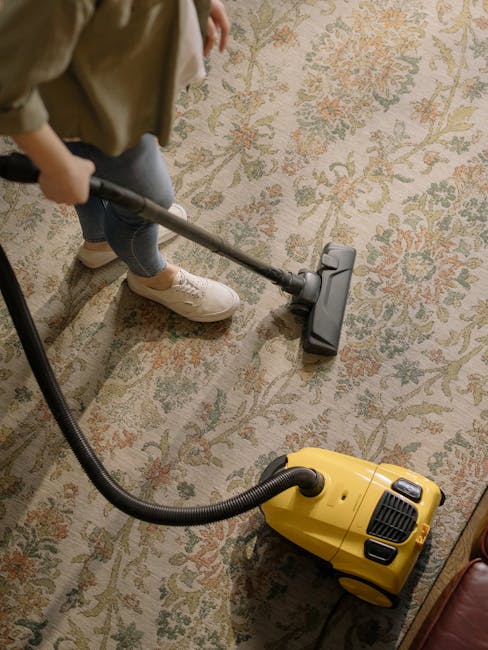
Common Mistakes to Avoid
Most rug problems do not come from one dramatic disaster. They come from small, repeated mistakes. Nothing flashy. Just a slow drift into "this will probably be fine" territory. It often isn't.
- Using too much water: oversaturation can lead to long drying times, odours, and possible backing damage.
- Applying random household cleaners: many products are not suitable for coloured or delicate rugs.
- Rubbing stains aggressively: this can spread the stain and distort the pile.
- Ignoring fringe and edges: these areas often get damaged first and need gentle handling.
- Putting the rug back too soon: even if it feels "mostly dry," hidden moisture can still be present.
- Assuming every rug is washable: not all are. Some need specialist treatment or very controlled cleaning only.
Another common mistake is treating a rug like a carpet. They are related, yes, but not identical. Rugs are often portable, more varied in materials, and more vulnerable to colour bleed or shrinkage. That small difference changes everything. Really it does.
If a rug is part of a tenancy change, it may be worth looking at end of tenancy cleaning in Kingston so the rug is considered in the context of the whole property rather than as an isolated item.
Tools, Resources and Recommendations
You do not need a truckload of equipment to maintain a rug, but the right tools matter. For routine care at home, the essentials are simple.
- Vacuum cleaner with adjustable suction: useful for delicate fibres and low-pile rugs.
- Soft brush or hand tool: helps lift surface dust without harsh scraping.
- White absorbent cloths: best for blotting spills without transferring dye.
- Gentle spot-cleaning solution: only if suitable for the fibre type and tested first.
- Rug pad: reduces movement and wear.
- Fans or open airflow: practical for drying after small spot treatments.
For homeowners who prefer a more guided approach, it helps to review information about the company's background, insurance and safety, and payment and security before booking anything. That's not overthinking it; it's sensible.
Some people also pair rug care with a broader tidy-up or seasonal reset. In that case, a quick look at the Kingston home buyers checklist can be surprisingly useful if you're preparing a property for photos, viewings, or a move and want every soft furnishing to pull its weight.
Law, Compliance, Standards and Best Practice
For most homeowners, rug cleaning is not a heavily regulated activity in the same way as some trades. Even so, there are sensible standards and expectations worth keeping in mind, especially if you are hiring someone to work in your home.
First, good practice means the cleaner should work carefully, communicate clearly, and avoid causing avoidable damage. If a service is entering your property, it is reasonable to expect clear terms, a fair complaints route, and proper handling of your personal information. Those points are reflected in pages such as terms and conditions, privacy policy, and complaints procedure.
Second, safety matters. Rugs can be heavy, slippery when damp, or awkward to move, so cleaners should use safe lifting practices and avoid creating trip hazards. If you are checking a provider, it is reasonable to ask how they manage risk in the home and whether they have relevant safety processes in place. The page on health and safety policy is the kind of thing that gives you a clearer picture.
Third, a cautious approach to textiles is part of professional best practice. That means pre-testing, identifying fibre type, avoiding harsh treatment, and giving honest advice if a rug is too fragile for a standard wash. If a cleaner sounds overly confident about every rug on earth, that's a small warning sign. Rugs are fussy. Sometimes lovely, but fussy.
For businesses or landlords managing multiple spaces, the same standards of care often apply across office cleaning in Kingston and domestic environments alike: protect surfaces, communicate clearly, and leave the place safer and cleaner than it was.
Options, Methods and Comparison Table
Different rug cleaning methods suit different situations. If you are choosing between DIY, spot treatment, or a professional clean, this comparison should help.
| Method | Best for | Main advantage | Limitations |
|---|---|---|---|
| Regular vacuuming | Everyday maintenance | Removes dry dust and grit before it sinks in | Will not remove embedded stains or odours |
| DIY spot treatment | Fresh, minor spills on suitable fibres | Fast response for small accidents | Risk of spreading stains or damaging dyes |
| Low-moisture cleaning | Light-to-moderate soil | Quicker drying time | May not be enough for deep contamination |
| Hot water extraction | Sturdier rugs with heavy soil | Strong deep-cleaning effect | Requires careful moisture control |
| Specialist hand cleaning | Delicate, antique, or sensitive rugs | Gentle, tailored handling | Usually slower and more specialised |
In practice, the best option is usually the least aggressive method that still solves the problem. That sounds almost too simple, but it's a reliable rule. If you can maintain a rug with regular vacuuming and the occasional professional treatment, you often get better long-term results than trying to "blast" every issue away.
Case Study or Real-World Example
Here's a realistic example from the sort of situation many households in Surbiton and Hampton Wick face. A family rug in a living room had become noticeably dull over time. Nothing dramatic at first glance. Just a slightly grey cast in the traffic lanes, a faint stale smell after rainy days, and one old spill mark near the sofa that had become part of the furniture, so to speak.
The homeowner had been vacuuming weekly, but only the top surface. The rug was wool, medium pile, and placed in a room used every day by children, a dog, and a fairly determined cuppa habit. The clean started with careful inspection and dry soil removal, then test spotting on a discreet corner. A controlled wash method was used, with extra attention given to the dense centre and the fringe edges. After drying, the colours came back more clearly, the pile looked more even, and the old spill mark was much less obvious.
The interesting part was not that the rug became brand new. It didn't. It just became itself again. That's usually the real goal. If a rug is old or valuable, success is often about restoring character without overdoing it. A good clean should make you think, "Ah, there it is," not "What happened to my rug?"
That same practical thinking is useful if you are also planning broader home upkeep, perhaps with one-off cleaning support before a big family visit or after a busy month of entertaining.
Practical Checklist
Use this checklist before you clean a rug yourself or book someone in. It keeps things calm and avoids rushing into the wrong method.
- Identify the rug fibre and backing
- Check for labels, maker marks, or care notes
- Vacuum both sides if appropriate
- Test any cleaner on a hidden area first
- Deal with spills as quickly as possible
- Avoid soaking the rug unless the method calls for it
- Protect the floor underneath while cleaning
- Allow enough drying time before placing furniture back
- Inspect fringes, edges, and seams after cleaning
- Consider professional help for antique, silk, or heavily stained rugs
If your rug is part of a broader clean-up before guests, a move, or a seasonal refresh, it may help to combine it with spring cleaning in Kingston or deep cleaning in Kingston so everything feels properly finished rather than half done.
Get a free quote today and see how much you can save.
Conclusion
Rug cleaning in Surbiton and Hampton Wick homes is one of those jobs that quietly improves everything else. It protects the rug itself, freshens the room, and makes daily life feel a bit more pleasant. That might sound small, but small improvements in a home add up fast. Clean fibres, less grit, better colour, less lingering smell. It all counts.
The key is to match the method to the rug, avoid the common mistakes, and think about long-term care rather than a quick fix. If you are unsure what your rug needs, a careful professional inspection is usually the safest next step. Simple as that.
And if you are in the middle of a busy week, with laundry everywhere and a rug that has definitely seen better days, don't be too hard on yourself. A good clean can change the feel of the room more than you'd expect. Sometimes that's all a home needs.